
Resources
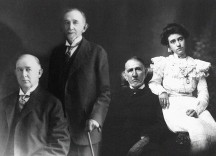
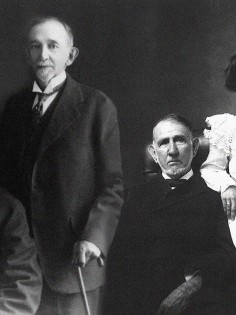
The Duke Family Tree
Family has always been a cornerstone of The Duke Endowment and continues to be part of our leadership 100 years later. Learn more about the Duke family.
2024 Grantmaking
An overview of the 2024 Duke Endowment grantmaking.
2024 Annual Report: NEXT
In 2024, The Duke Endowment celebrated 100 years of impact throughout the Carolinas. This centennial milestone was the perfect opportunity to meet with the communities we serve and to hear their stories. To reflect on our work together, and to look ahead to the next century. Through the grantee stories shared in the 2024 Annual Report, we see the work we’ve accomplished together and the future that’s to come.

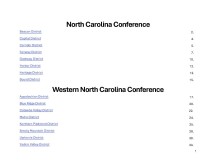
List of Eligible Churches
This is a list of United Methodist churches eligible for support from the Endowment’s Rural Church program area. This list will be reexamined and reposted after data from each federal decennial census is collected and RUCA designations are assessed.
Getting to Know Our Artwork
Our headquarters is designed be a more than just a location from which to conduct our work. From the outset, the building was intentionally constructed as a welcoming resource for grantees and as a symbol of Mr. Duke’s legacy for the Carolinas. In that spirit, we are proud to display artwork that inspires the same sense of connection to our region and the place that our founder called “home.”

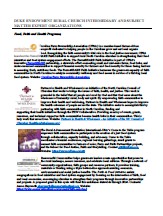
Rural Church Intermediaries and Subject Matter Experts
Our Rural Church team works with many partners to support the clergy, congregations and communities of rural North Carolina. This one-page flyer describes the expertise of these organizations and intermediaries.
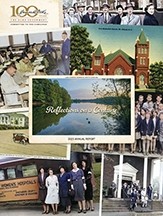
2023 Annual Report - Committed to the Carolinas: Reflections on a Century
To mark the 100th anniversary of our commitment to the Carolinas, The Duke Endowment connected with many grantee partners from across our history to hear and tell stories about the impact of Mr. Duke’s legacy. Some of the stories were personal; the whole experience was profound. In this 2023 Annual Report, ”Committed to the Carolinas: Reflections on a Century,” we’ve spotlighted some of those grantees, who tell their stories — in their own voices.
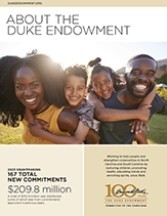
The Duke Endowment Overview Flyer
This flyer provides an overview of our work, grantmaking and leadership.
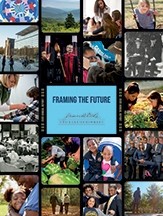
2022 Annual Report: Framing the Future
Decisions today become tomorrow’s reality. These visionary Endowment grantees are helping frame our collective future — from expanding health care and supporting foster families to improving education and connecting neighbors through healthy food. Together, we are making a powerful impact on today and adding to the promise of tomorrow.
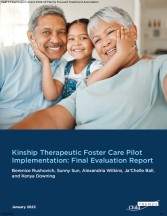
Kinship Therapeutic Foster Care Pilot Implementation: Final Evaluation Report
A study of kinship therapeutic care placements in three counties in North Carolina
Take a Breath: An Overview of the Selah Stress Management Intervention
Like many people serving in professions in which they feel “called,” clergy are not immune to stress and burnout. The Duke Endowment partnered with the Duke Clergy Health Initiative to study the acceptability, feasibility and effectiveness of stress management tools with the goal of identifying practices that would allow clergy in the North Carolina United Methodist (UMC) conferences, and beyond, to live more fully into the sacred work of ministry. The Selah Stress Management project engaged nearly 300 UMC clergy from across the state to rigorously test three separate stress management practices. As outlined in the report, the findings demonstrate these practices are proven to reduce stress and anxiety and improve physiological responses to stress.
Report Finds Rural United Methodist Churches in NC Contribute $735,800 in Annual Economic Impact
Partners for Sacred Places and the UNC Charlotte Urban Institute conducted extensive interviews with 87 rural United Methodist Churches across North Carolina to better understand how programs housed in the churches benefit those who are not members of the congregation. Findings revealed that United Methodist Churches are not only for United Methodists, but are places that serve everyone in the community.
Recent Uploads
The Duke Family Tree
pdf | December 10, 2025
2024 Grantmaking
pdf | September 24, 2025

2024 Annual Report: NEXT
pdf | September 22, 2025
List of Eligible Churches
pdf | June 30, 2025